
What to do with a batch of chemical product you can no longer sell
An expired batch, an off-specification raw material or a product line withdrawn from the market. Sooner or later, almost every company that manufactures, distributes or stores chemical products finds itself with goods that have no commercial outlet. We explain what this means legally and how to resolve it without risk.
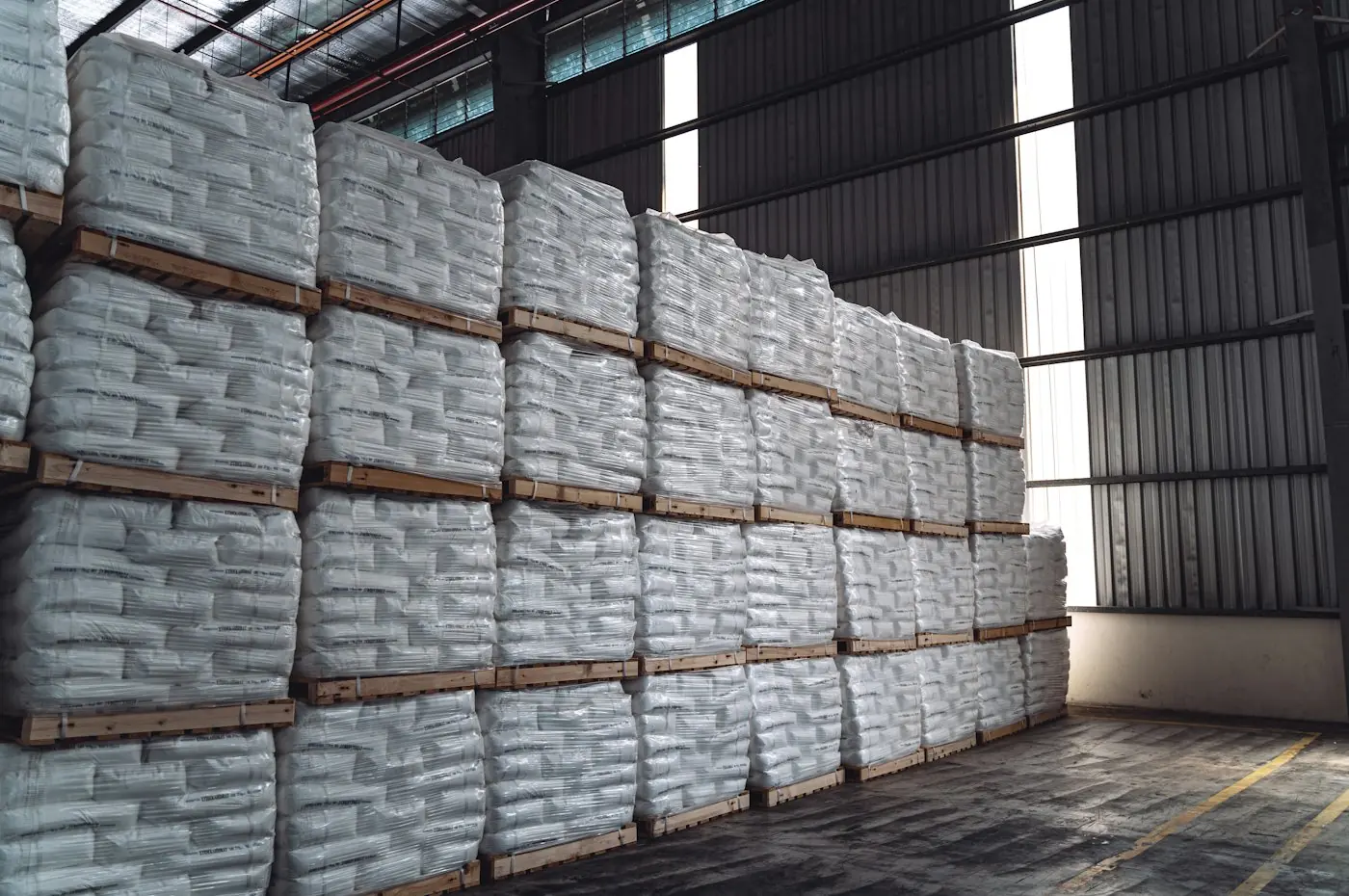
When the product becomes waste
As long as a product can be sold or used, it is a product. The moment the company decides to discard it, or is obliged to do so, it becomes waste for legal purposes, even if the container is intact and the contents appear to be in perfect condition.
This change matters because, from that moment on, Law 7/2022 on waste and contaminated soils applies. And if the product has hazardous properties, as is the case with many detergents, degreasers, solvents and chemical raw materials, it is hazardous waste, with stricter obligations.
Common situations
- Expired product in your own warehouse or returned by customers.
- Batches rejected in quality control for failing to meet the specification.
- Changes in formulation or labelling that make the previous stock obsolete.
- Discontinued product lines or those withdrawn from the market for regulatory reasons.
- Damaged containers that prevent sale even though the product itself is fine.
What you should not do
Faced with the urgency of freeing up space, decisions are sometimes taken that create bigger problems than the stock itself:
- Pouring it away or diluting it. It is prohibited and can cause serious environmental damage.
- Mixing it with other waste to have it all collected together. The law prohibits mixing hazardous waste with other waste, substances or materials.
- Selling it at any price through uncontrolled channels. If the product ends up being misused or reappears on the market, the legal and reputational risk falls on your brand.
- Leaving it forgotten in a corner. Hazardous waste cannot be stored indefinitely: the general maximum period is six months, which the autonomous community may extend only in exceptional cases.
How to dispose of it correctly
- Take an inventory. List the products, the quantities and the type of container. If you have the safety data sheets (SDS), keep them to hand: they are the basis for classifying each type of waste.
- Separate it from saleable stock. Identify the area and prevent the product from returning to the commercial circuit by mistake.
- Store it properly. Containers closed, protected from the weather and with systems to contain any spills.
- Contact an authorised waste manager. They will help you to assign the correct waste code, define the most suitable treatment and process the shipment documentation.
- Keep the documentation. The shipment documentation and the waste management certificate prove that you have met your obligations and that the product will not return to the market.
Recovery before disposal
The fact that a product cannot be sold does not mean that it has no value. Many chemical materials contain components that can be recovered through recovery processes. It is the option prioritised by the regulations and, in many cases, also the most attractive one for the company.
How we help you at Ivalore
At Ivalore we have specialised in hazardous industrial waste for 20 years. As a waste manager authorised by the Agència de Residus de Catalunya (E-993.07), we collect cleaning products, chemical raw materials, paints, solvents and other products that you cannot sell, in any quantity and container. We take care of the assessment, the documentation, the collection and the treatment at our own plant, and we give you all the legal documentation and the waste management certificate.
View the service: Obsolete stock and non-conforming products
More articles
 Regulations · 11 Nov 2026
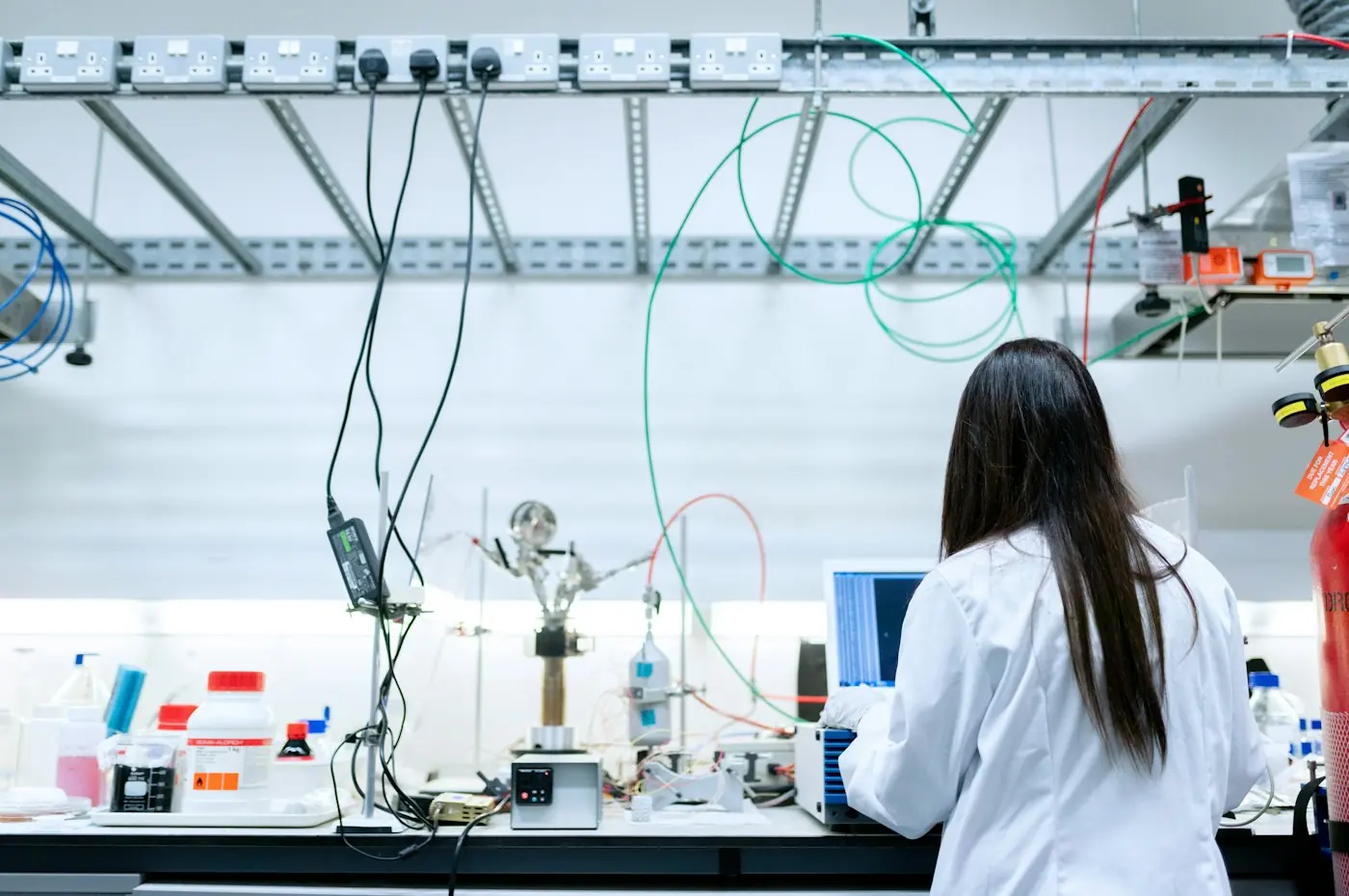
Changes in waste legislation in 2026: what your company needs to know
New waste register, digital shipments, packaging regulation and new by-products: the regulatory changes of 2026 that affect your company.
Read →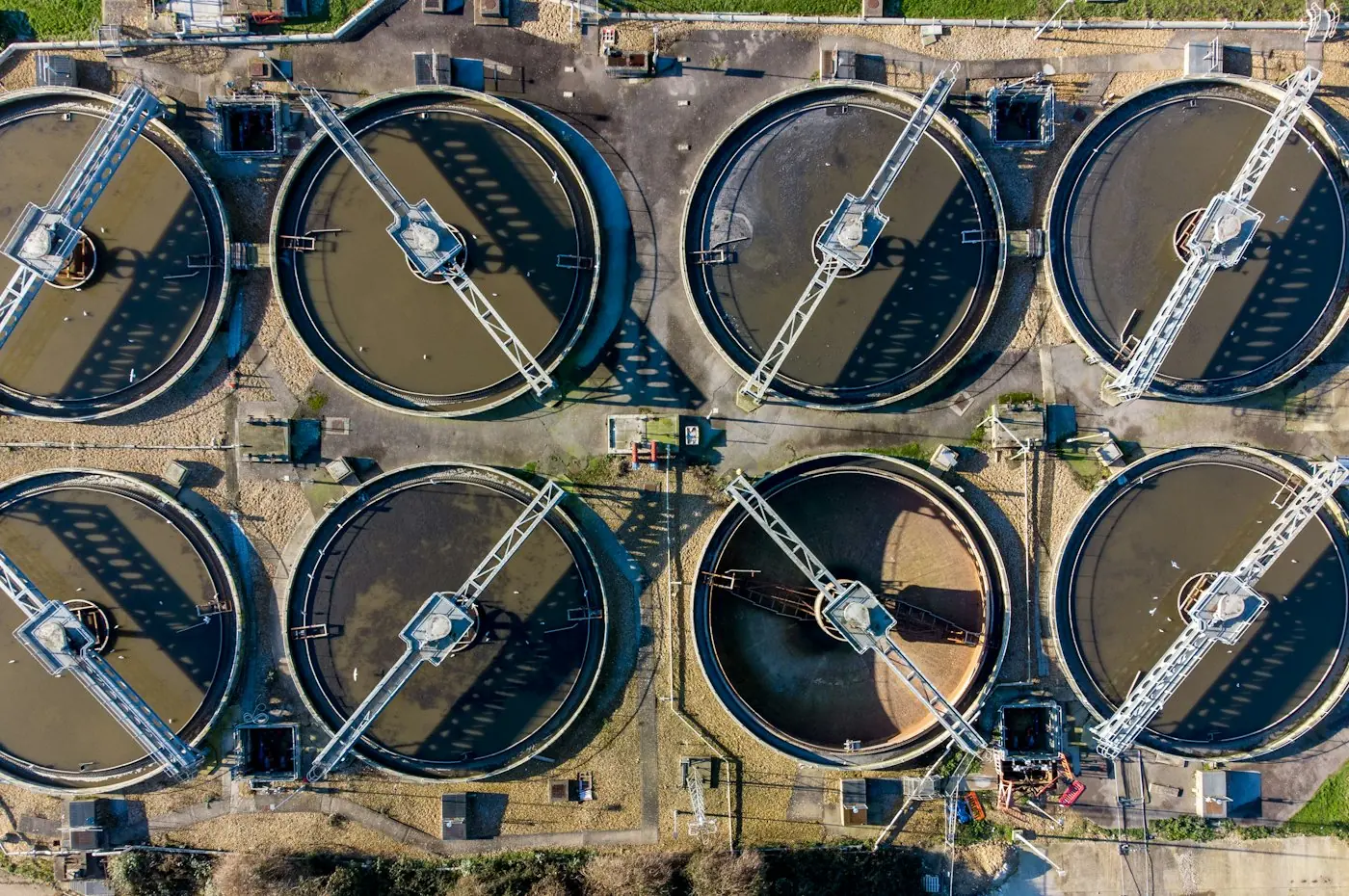 Sludge · 10 Nov 2026
Sludge rejected by landfill because of moisture: what your options are
Why a landfill rejects sludge with too much water and what the producer can do: drying, stabilisation or recovery.
Read →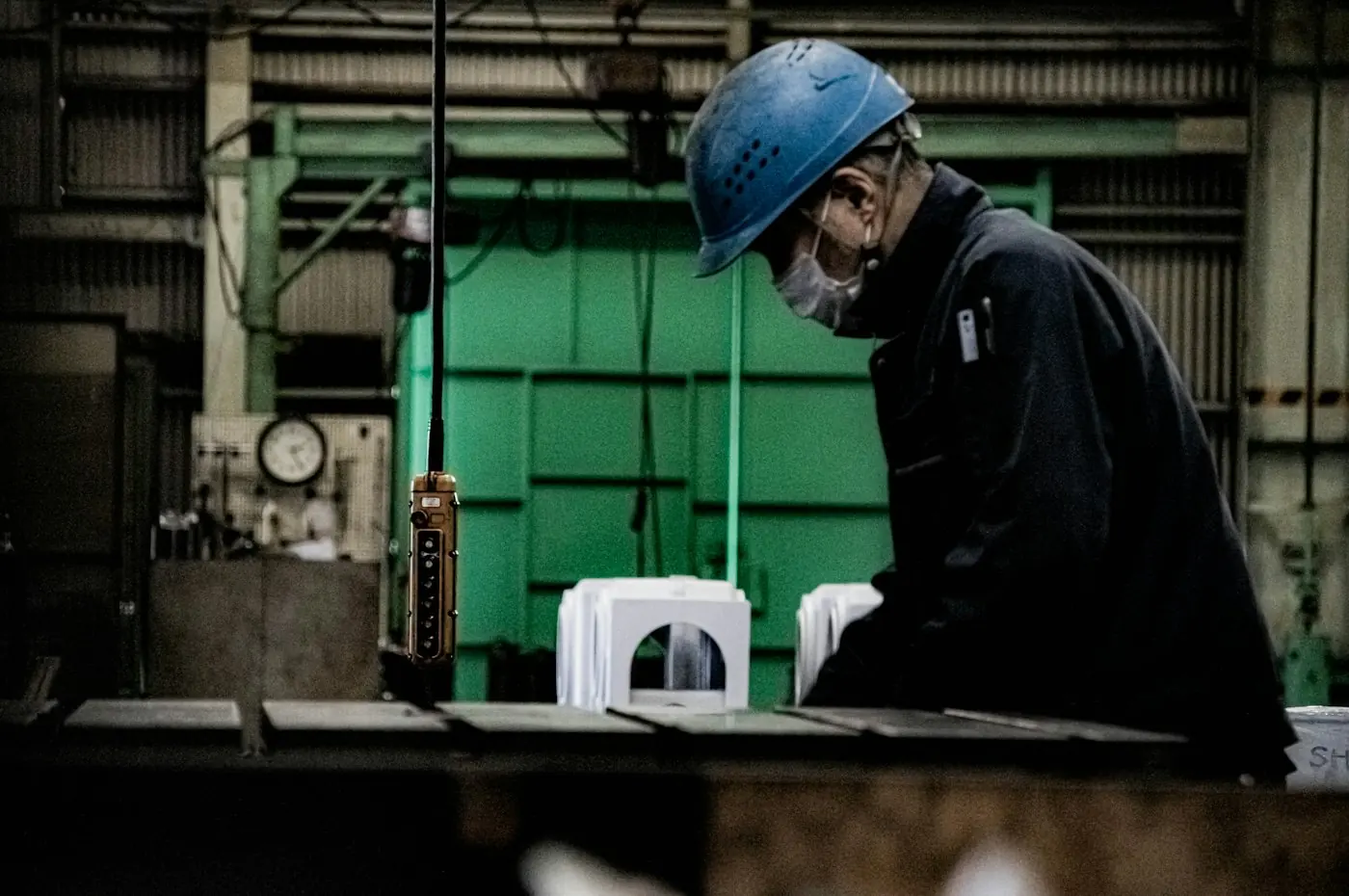 Guides · 4 Nov 2026
How to choose a waste manager: 6 things you should check
Authorisation, own facility, recovery and documentation: six things you should check before hiring a waste manager.
Read →Would you like to know what managing your waste will cost?
Tell us what waste you produce and we will send you a no-obligation proposal.
- Reply within 24 hours
- No-obligation quote
- Waste manager authorised by the Catalan Waste Agency (E-993.07)
Prefer to talk to us? +34 972 11 80 74