
In brief
- The most common reason for sludge being rejected at landfill is excess moisture.
- Before thinking about landfill, you need to check whether the sludge has a recovery route.
- Drying reduces weight and volume: fewer tonnes to transport and to pay for.
- Characterisation of the sludge is the first step; without it, a destination cannot be chosen.
Why it gets rejected
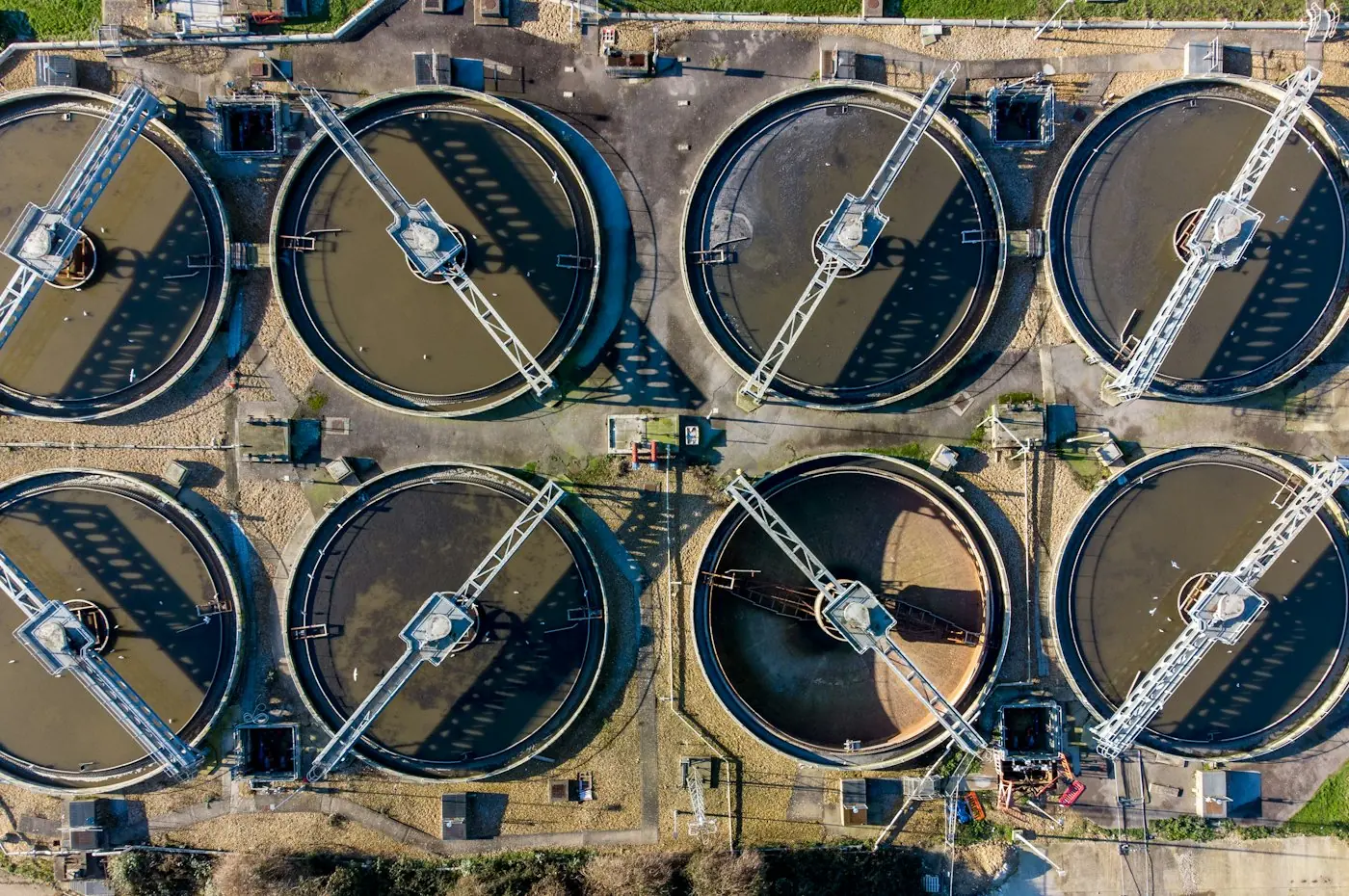
Landfill regulations (Royal Decree 646/2020) do not allow liquid waste and set acceptance criteria for each class of landfill. Sludge that comes out of a filter press or a centrifuge with a lot of water may not meet them, and the landfill is obliged to reject it.
The rejection usually comes at the worst moment: with the lorry loaded or with the treatment plant's tank full. The emergency solution is almost always the most expensive one.
Three routes, in this order
- Recover. If the sludge contains metals such as copper, nickel, tin or silver, there may be a way to recover them. Other sludge can be used for landfill cover, composting or energy recovery, depending on its composition.
- Dry and stabilise. Thermal drying brings the moisture down to the level required by the destination, and stabilisation improves the behaviour of the sludge. It also reduces the weight to be transported.
- Dispose of it at an authorised landfill, once the sludge is suitable and the documentation is in order.
What information is needed to get started
The origin of the sludge and the process that generates it, a recent analysis or a sample, the annual quantity and the frequency, and how you can load it: in bulk, in big bags, in a container or in a tanker. With that, a destination and a cost can be proposed.
More articles
 Regulations · 11 Nov 2026
Changes in waste legislation in 2026: what your company needs to know
New waste register, digital shipments, packaging regulation and new by-products: the regulatory changes of 2026 that affect your company.
Read → Guides · 4 Nov 2026
How to choose a waste manager: 6 things you should check
Authorisation, own facility, recovery and documentation: six things you should check before hiring a waste manager.
Read → Obligations · 3 Nov 2026
How long can I store hazardous waste at my company?
Maximum periods for storing waste at the place of production under Law 7/2022 and how to avoid exceeding them.
Read →Would you like to know what managing your waste will cost?
Tell us what waste you produce and we will send you a no-obligation proposal.
- Reply within 24 hours
- No-obligation quote
- Waste manager authorised by the Catalan Waste Agency (E-993.07)
Prefer to talk to us? +34 972 11 80 74