
In brief
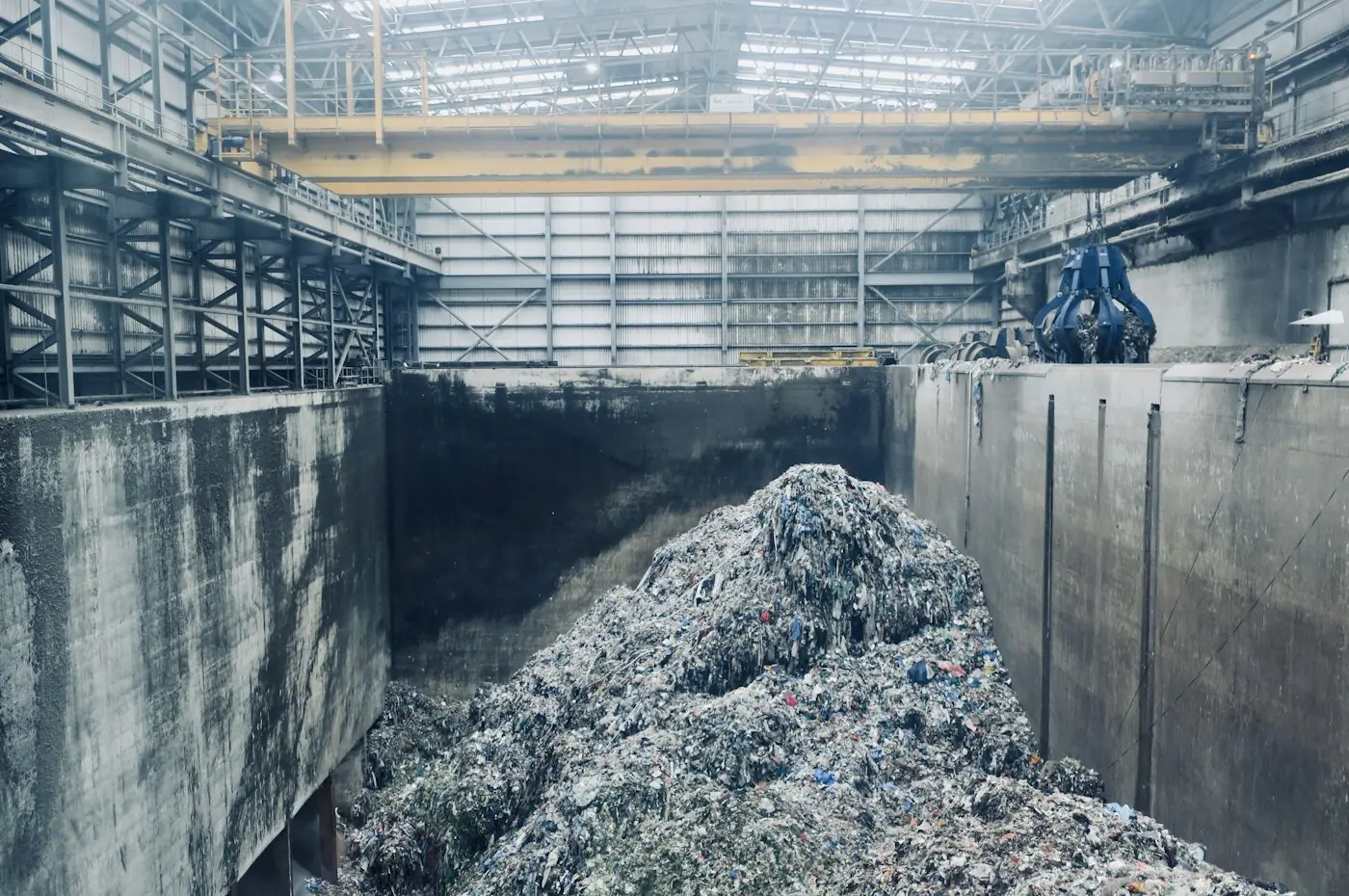
- Law 7/2022 created a national tax on landfilling, incineration and co-incineration, in force since 1 January 2023.
- It is paid per tonne and the facility operator passes it on to whoever delivers the waste.
- Recovering the waste or reducing its weight directly reduces that cost.
What it taxes
The tax applies to the delivery of waste to landfills and to incineration or co-incineration facilities. The amount depends on the type of waste and on the facility. Catalonia had already been applying its own levy for years, so for Catalan industry the idea is not new, but the cost of disposal has kept on rising.
What the producer can do
- Look for a recovery route. Waste that is recovered does not pay to be landfilled.
- Reduce weight. With sludge and slurry, much of what you pay for is water. Drying brings the tonnes down.
- Separate properly at source. Mixed waste is always managed by the most expensive route.
- Minimise. Review the process in order to generate less waste.
The waste hierarchy
The law ranks the options: prevention, preparing for reuse, recycling, other recovery and, last of all, disposal. The tax is the way of making that hierarchy show up on the invoice.
More articles
 Regulations · 11 Nov 2026
Changes in waste legislation in 2026: what your company needs to know
New waste register, digital shipments, packaging regulation and new by-products: the regulatory changes of 2026 that affect your company.
Read → Sludge · 10 Nov 2026
Sludge rejected by landfill because of moisture: what your options are
Why a landfill rejects sludge with too much water and what the producer can do: drying, stabilisation or recovery.
Read → Guides · 4 Nov 2026
How to choose a waste manager: 6 things you should check
Authorisation, own facility, recovery and documentation: six things you should check before hiring a waste manager.
Read →Would you like to know what managing your waste will cost?
Tell us what waste you produce and we will send you a no-obligation proposal.
- Reply within 24 hours
- No-obligation quote
- Waste manager authorised by the Catalan Waste Agency (E-993.07)
Prefer to talk to us? +34 972 11 80 74