
Hazardous waste at your company: a quick guide to your obligations
Used oils, solvents, contaminated packaging, expired chemical products… Many companies generate hazardous waste without being aware of all the obligations that entails. We review the main ones under Law 7/2022 on waste, so that you can check whether your company complies with them.
What is hazardous waste?
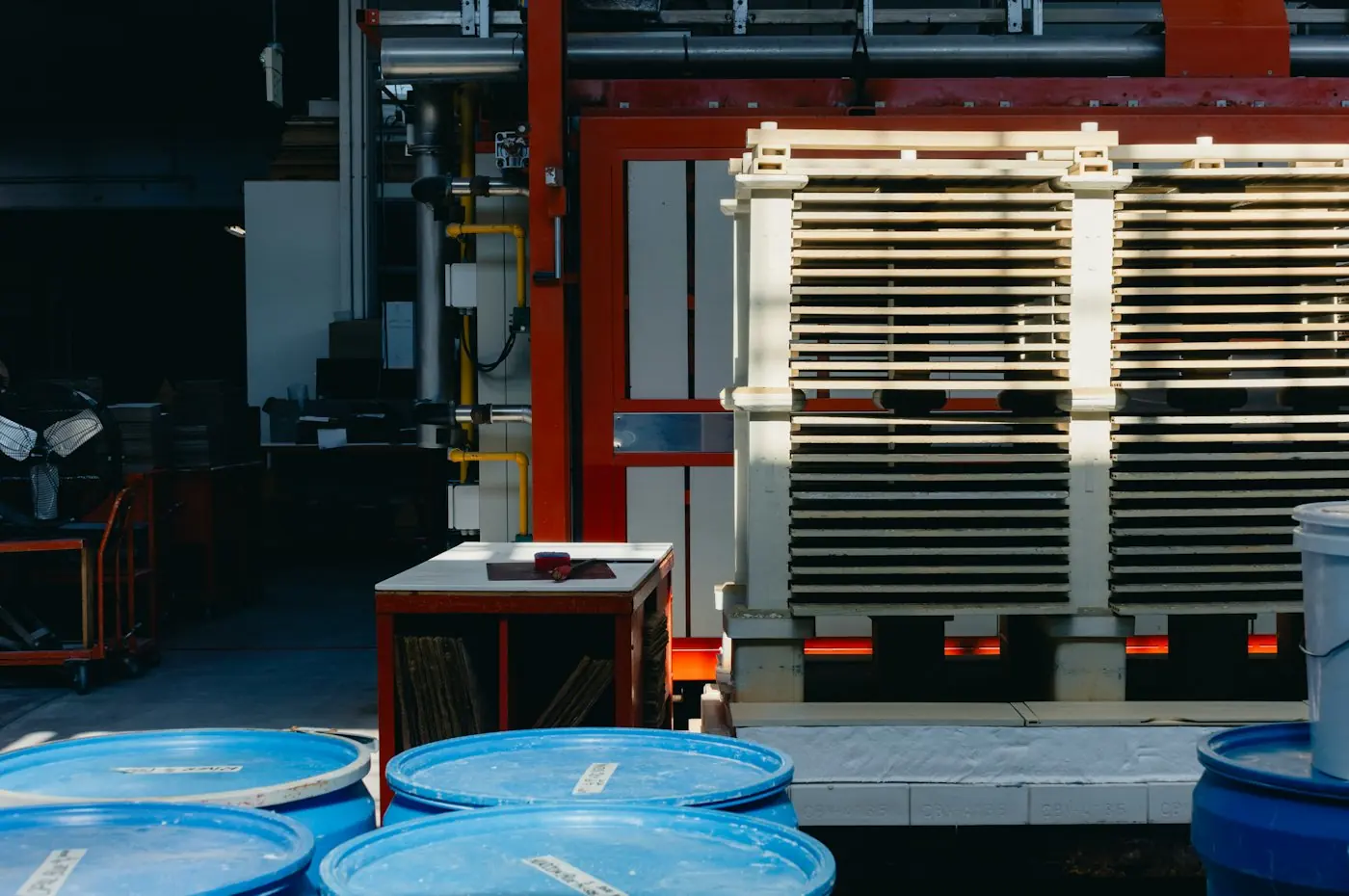
It is waste that displays one or more hazardous properties: flammable, corrosive, toxic, irritant or hazardous to the environment, among others. It is identified in the European Waste List (LER codes) with an asterisk. Many types of waste that are common in industry, logistics and retail are hazardous: leftover cleaning products, paints, solvents, oils, batteries, fluorescent tubes or containers that have held hazardous substances.
The main obligations
1. Notify the activity. Before starting to generate hazardous waste, the company must submit a prior notice to the environmental authority of its autonomous community.
2. Do not mix. It is prohibited to mix or dilute hazardous waste with other hazardous waste, with other waste or with other substances. Separating properly at source makes management easier and often reduces its cost.
3. Package and label correctly. Containers must be strong, be properly closed and not react with their contents. The label, measuring at least 10 × 10 cm, must be visible and legible and include, among other details, the code and description of the waste, its hazardous properties, the producer's details, the storage start date and the hazard pictograms.
4. Store properly and keep to the time limits. The storage area must be identified, protected from the weather and fitted with spill containment systems. The general maximum period is six months from the moment the waste starts to be deposited, which the autonomous community may extend in exceptional cases.
5. Keep a chronological record. The company must record in electronic format the quantity, nature and origin of the waste generated, as well as its destination and the planned treatment.
6. Hand the waste over to an authorised waste manager. Hazardous waste must be handed over to an authorised waste manager, with the corresponding shipment documentation. Keeping this documentation is the best proof that the company has complied.
7. Other obligations depending on volume. Companies that generate more than 10 tonnes of hazardous waste a year must take out insurance or a financial guarantee and draw up a minimisation plan, on which they report every four years. In addition, the regulations provide for the submission of an annual summary report before 1 March. Check exactly which obligations apply to your company.
Common mistakes
- Accumulating waste for longer than permitted.
- Containers with no label or with generic labels.
- Mixing different types of waste in the same container.
- Not keeping the documentation for collections.
- Handing the waste over to companies that are not authorised for that type of waste.
How we help you at Ivalore
At Ivalore we do not just collect and treat your waste: our environmental advice department helps you to classify it, to keep the documentation up to date and to comply with the regulations, so that you can focus on your business. We are a waste manager authorised by the Agència de Residus de Catalunya (E-993.07) and have been working with hazardous industrial waste for 20 years.
More articles
 Regulations · 11 Nov 2026
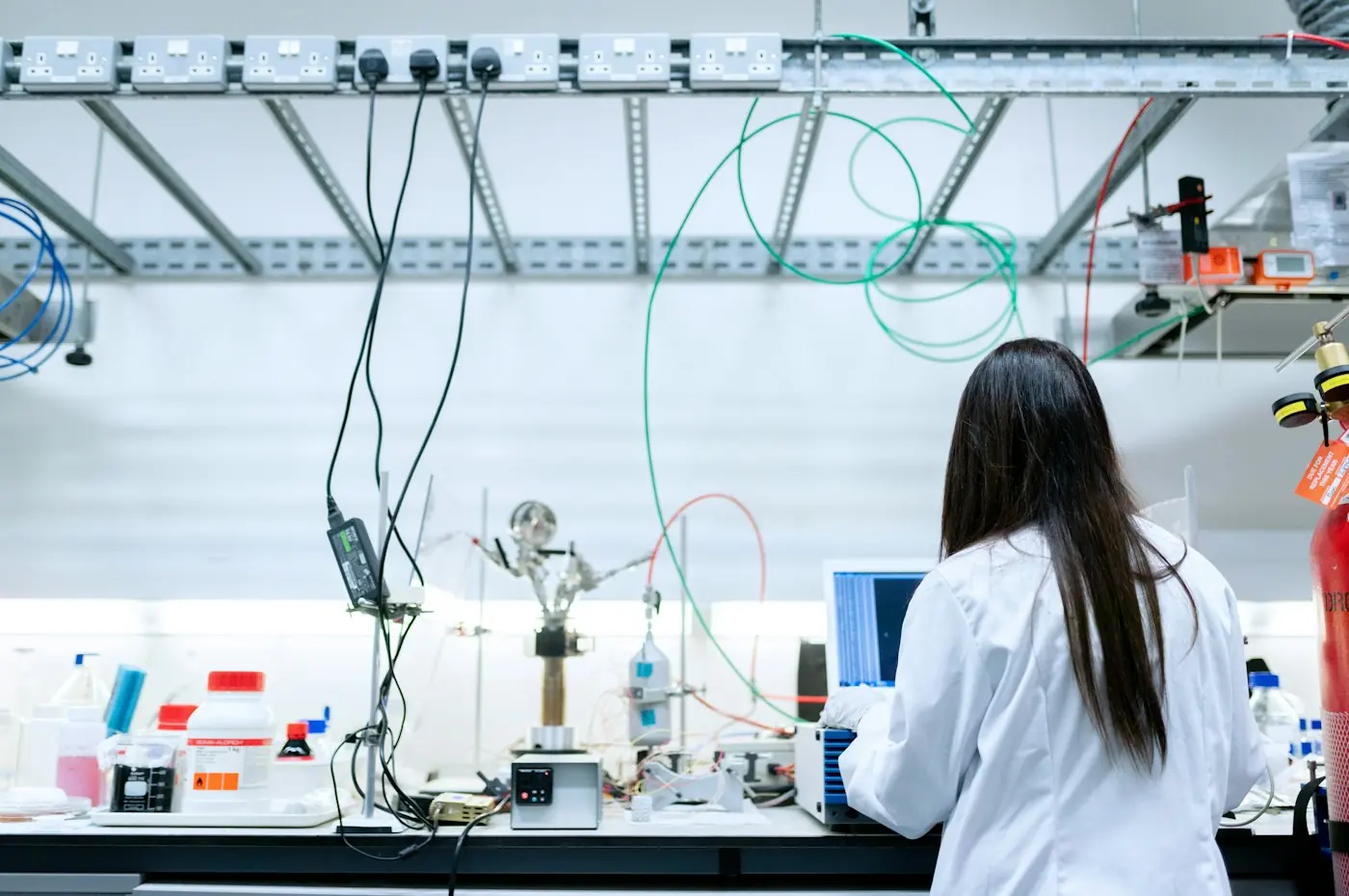
Changes in waste legislation in 2026: what your company needs to know
New waste register, digital shipments, packaging regulation and new by-products: the regulatory changes of 2026 that affect your company.
Read →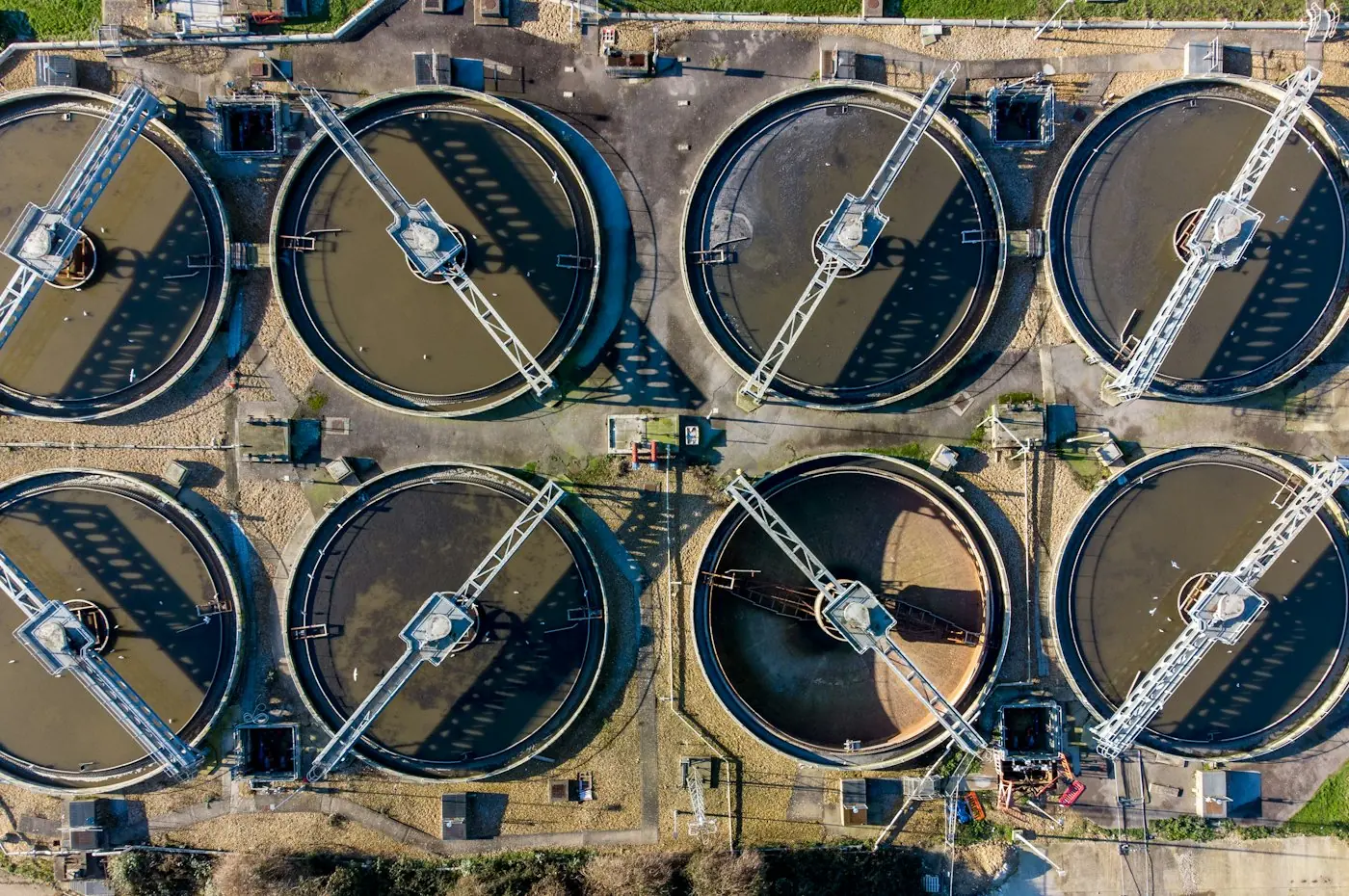 Sludge · 10 Nov 2026
Sludge rejected by landfill because of moisture: what your options are
Why a landfill rejects sludge with too much water and what the producer can do: drying, stabilisation or recovery.
Read →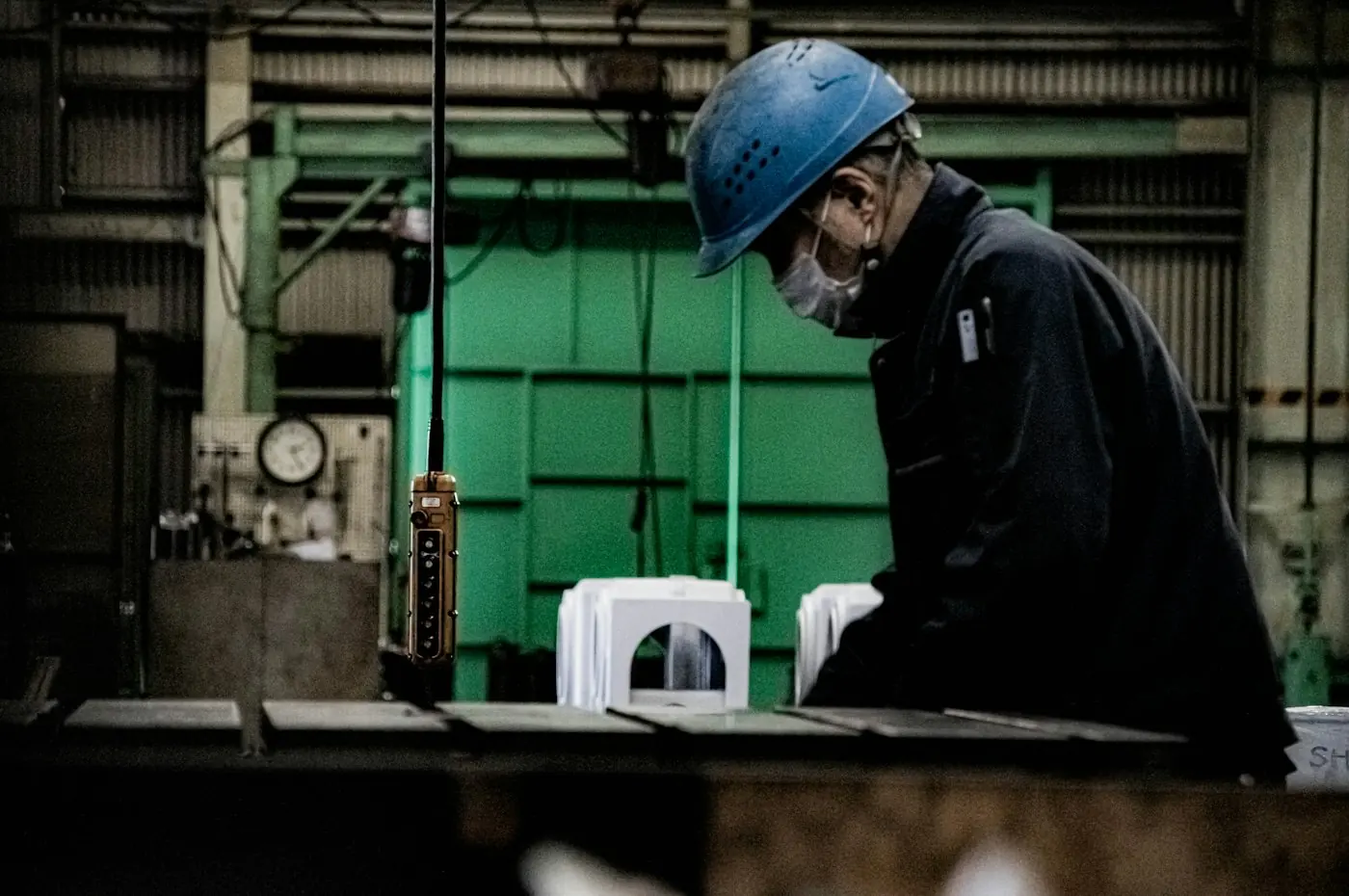 Guides · 4 Nov 2026
How to choose a waste manager: 6 things you should check
Authorisation, own facility, recovery and documentation: six things you should check before hiring a waste manager.
Read →Would you like to know what managing your waste will cost?
Tell us what waste you produce and we will send you a no-obligation proposal.
- Reply within 24 hours
- No-obligation quote
- Waste manager authorised by the Catalan Waste Agency (E-993.07)
Prefer to talk to us? +34 972 11 80 74