
Chemical goods damaged in transit: how to manage them correctly
A pallet that arrives with broken jerrycans, a batch rejected at its destination or a spill during unloading. For hauliers, logistics operators and distributors, damaged chemical goods are a frequent problem. Managed well, it is resolved in a few days; managed badly, it can end in penalties and disputes with customers and insurers.
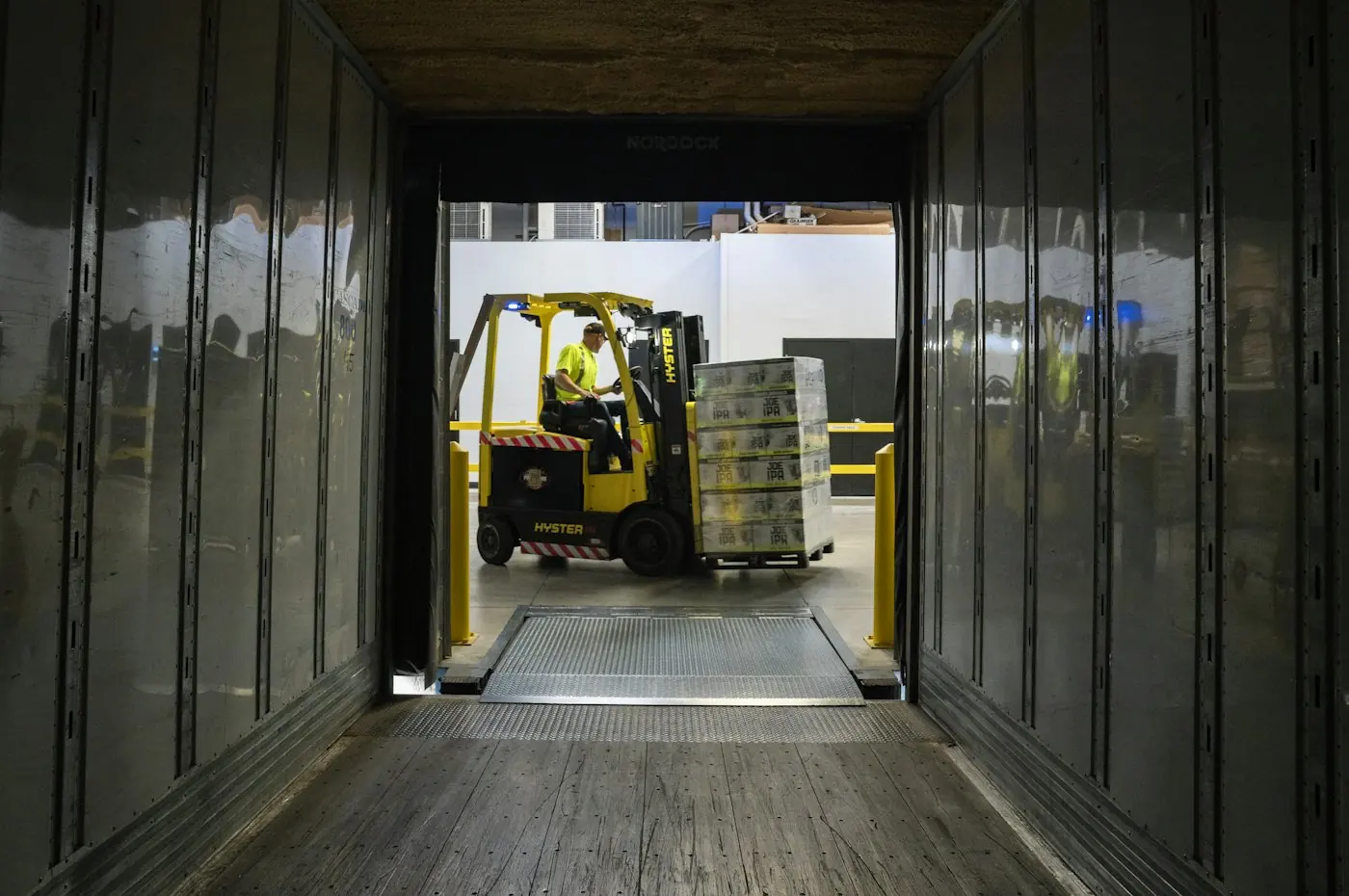
A more common problem than it seems
Incidents involving chemical products during transport and handling are part of everyday life in logistics:
- Containers broken or punctured by knocks, falls or poor stowage.
- Spills that contaminate other products on the same pallet or in the same consignment.
- Goods rejected at their destination because of damage, order errors or incorrect labelling.
- Abandoned consignments that the consignee does not collect and the sender does not claim.
In all these cases, the goods usually stay in the warehouse of the haulier or logistics operator, waiting for someone to decide what to do with them.
Safety first
If there is a spill, the first thing is to act safely: isolate the area, consult the product's safety data sheet and use the appropriate protective equipment and absorbent materials. The contaminated absorbents, rags and containers that result are also hazardous waste and must be managed as such.
When the goods can no longer be sold
Once it is decided that the goods will not return to the commercial circuit, they become waste. If the product has hazardous properties, as most industrial cleaning products, solvents, paints and chemical raw materials do, it is hazardous waste and the obligations of Law 7/2022 apply:
- Safe, time-limited storage: in an identified area, protected from the weather and with spill containment, for a general maximum of six months.
- No mixing: it cannot be mixed with other waste to simplify collection.
- Handover to an authorised waste manager, with the corresponding shipment documentation.
Clarify who takes responsibility
One of the points that most delays a solution is deciding who should deal with the goods: the sender, the consignee, the haulier or the insurer. It depends on each case and on what was agreed in the contract of carriage.
Our advice is to document the incident from the very first moment (photos, delivery notes, communications) and to agree as soon as possible who will manage the collection. In the meantime, the goods must be stored in safe conditions. The more time passes, the greater the risk of further spills, of taking up useful space and of exceeding the storage time limits.
Steps to resolve it quickly
- Document the incident: photographs, quantities, references and delivery notes.
- Secure the goods: separate the damaged containers and contain any leaks.
- Gather the product information: trade name, manufacturer and, if possible, the safety data sheet.
- Agree who will manage the collection with the customer, the sender or the insurer.
- Contact an authorised waste manager: they will assess the waste, prepare the documentation and organise the collection.
- File the waste management certificate as proof that the goods have been treated correctly. It will be useful to you with the customer, the insurer and the authorities.
How we help you at Ivalore
At Ivalore we work with hauliers, logistics operators and distributors to collect damaged, rejected or abandoned chemical goods. We collect any quantity, even with damaged containers or spills, and we take care of the repackaging, the documentation and the treatment at our own plant. As a waste manager authorised by the Agència de Residus de Catalunya (E-993.07), we give you all the legal documentation and the waste management certificate.
View the service: Obsolete stock and non-conforming products
More articles
 Regulations · 11 Nov 2026
Changes in waste legislation in 2026: what your company needs to know
New waste register, digital shipments, packaging regulation and new by-products: the regulatory changes of 2026 that affect your company.
Read → Sludge · 10 Nov 2026
Sludge rejected by landfill because of moisture: what your options are
Why a landfill rejects sludge with too much water and what the producer can do: drying, stabilisation or recovery.
Read → Guides · 4 Nov 2026
How to choose a waste manager: 6 things you should check
Authorisation, own facility, recovery and documentation: six things you should check before hiring a waste manager.
Read →Would you like to know what managing your waste will cost?
Tell us what waste you produce and we will send you a no-obligation proposal.
- Reply within 24 hours
- No-obligation quote
- Waste manager authorised by the Catalan Waste Agency (E-993.07)
Prefer to talk to us? +34 972 11 80 74